Cancer care is among the most complex domains in healthcare delivery. From diagnostics and imaging to chemotherapy cycles and radiotherapy fractions, oncology hospitals require structured coordination, precision documentation, and seamless data integration.
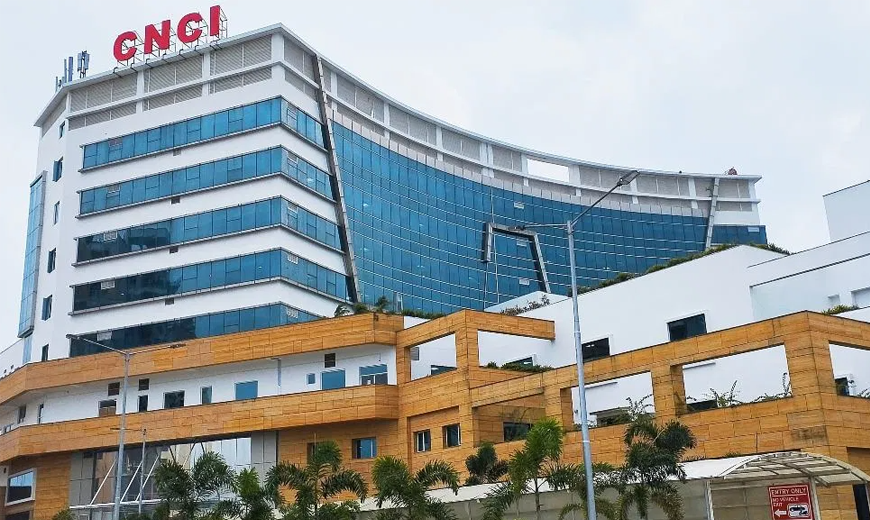
With two operational branches and advanced diagnostic infrastructure, Chittaranjan National Cancer Institute (CNCI) represents a high-acuity oncology ecosystem. To digitally orchestrate this ecosystem, CNCI adopted Optima HMS, an enterprise-grade Hospital Management System purpose-built for multi-specialty and super-specialty environments.
This is the story of how structured digital transformation enhanced workflow execution, diagnostic turnaround, and oncology treatment traceability across both centers.
CNCI operates as a specialized cancer care institution with:
• Two branches functioning simultaneously
• High-end diagnostic laboratory with 16 integrated LIS machines
• 10 radiology machines including CT and MRI
• Dedicated Radiotherapy department
• Structured Chemotherapy programs
Such scale requires more than basic hospital software. It demands a centralized digital architecture capable of supporting oncology’s full clinical lifecycle.
With two branches serving oncology patients, clinical data silos posed a significant risk. Patient records, lab reports, imaging studies, and treatment histories needed to be available in real-time across both locations.
Key concerns included:
• Duplicate patient registration
• Inconsistent medical records
• Delayed report visibility
• Fragmented financial reporting
A unified patient data architecture was critical.
The diagnostic infrastructure included:
• 16 laboratory machines generating high-volume pathology and oncology test data
• 10 radiology machines including CT and MRI
Manual or semi-integrated workflows in such an environment can lead to:
• Sample tracking errors
• Delayed report posting
• Radiology order mismatches
• Reporting backlogs
A fully integrated LIS and Radiology system was essential for efficiency and patient safety.
Oncology treatment is longitudinal and protocol-driven.
Radiotherapy Requirements:
• Fraction-wise treatment planning
• Dose recording
• Machine scheduling
• Treatment progress documentation
Chemotherapy Requirements:
• Protocol-based cycle scheduling
• Drug administration logging
• Pre-medication compliance
• Toxicity monitoring
• Pharmacy coordination
Without a structured system, managing this complexity at scale becomes operationally risky.
Optima HMS was deployed as a centralized, multi-branch oncology-ready platform.
Optima HMS implemented:
• Unified Patient ID across both branches
• Centralized database architecture
• Real-time access control
• Branch-wise MIS reporting
• Consolidated financial dashboards
This eliminated duplication while maintaining operational autonomy at each location.
Optima HMS enabled full laboratory automation through:
• Bi-directional machine interfacing
• Barcode-based sample tracking
• Automated result posting into EMR
• Critical value alerts
• Turnaround time monitoring
This reduced manual entry errors and significantly improved reporting speed.
With 10 radiology machines including CT and MRI, the system provided:
• DICOM-compatible workflows
• Order-to-report automation
• PACS integration
• Radiologist reporting dashboards
• Imaging report auto-linking to EMR
Radiology reports became instantly accessible across both branches, improving clinical decision-making timelines.
Optima HMS digitized:
• Fraction scheduling
• Dose tracking
• Treatment completion status
• Linear accelerator utilization analytics
Every radiation session became traceable and auditable.
The chemotherapy module enabled:
• Protocol-based drug mapping
• Cycle scheduling automation
• Pre-medication validation
• Drug administration recording
• Adverse event documentation
• Pharmacy stock linkage
This ensured safe, structured, and compliant oncology drug administration.
Following structured go-live planning and phased implementation, CNCI experienced:
• Improved diagnostic turnaround times
• Enhanced inter-branch data visibility
• Reduced manual errors in reporting
• Complete oncology treatment traceability
• Strengthened audit readiness
Clinical governance improved significantly due to structured digital workflows.
For Clinicians:
• Faster access to diagnostic data
• Complete treatment history visibility
• Structured oncology documentation
For Management:
• Real-time operational dashboards
• Machine utilization reports
• Revenue and service-line analytics
For Patients:
• Reduced waiting time
• Transparent treatment cycles
• Coordinated care across branches
Cancer hospitals operate differently from general hospitals. They require:
• Longitudinal patient tracking
• High diagnostic integration density
• Radiotherapy fraction management
• Chemotherapy protocol governance
• Cross-branch interoperability
Optima HMS addresses these oncology-specific requirements while maintaining enterprise scalability.
For specialized cancer institutions like Chittaranjan National Cancer Institute, digital transformation is not optional—it is foundational to patient safety, efficiency, and compliance.
With multi-branch architecture, 16-machine LIS integration, 10-machine radiology ecosystem management, and structured chemotherapy and radiotherapy modules, Optima HMS delivered a comprehensive oncology-ready digital platform.
As oncology care continues to evolve, hospitals require systems that can manage complexity without compromising precision.
Optima HMS stands ready to power the future of cancer care delivery.
Fill out the form below, and we will be in touch shortly.